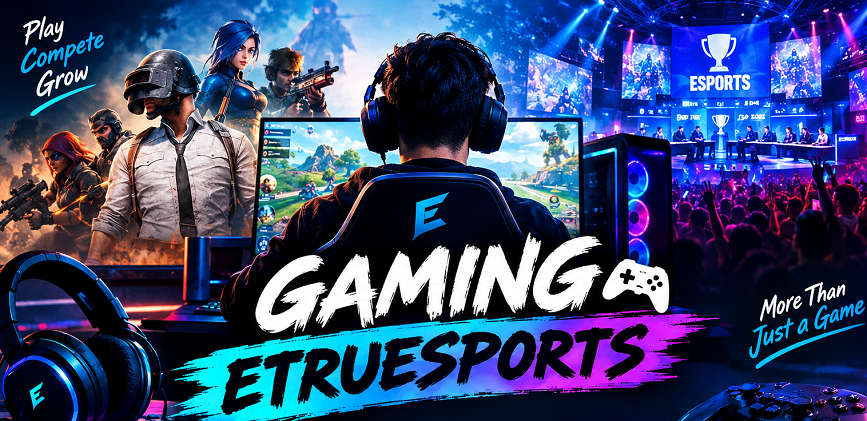

Introduction to Gaming Etruesports
The world of gaming has changed dramatically over the last few decades. What once started as a simple form of entertainment has developed into a global digital industry involving professional competitions, streaming, online communities, sponsorships, content creation and career opportunities. The term gaming etruesports can be associated with this broader ecosystem of modern gaming and esports, where players compete, audiences watch, and digital communities connect around competitive video games.
Today, gaming is no longer limited to playing games alone. Players can participate in tournaments, create gaming content, stream their gameplay, join professional teams and even build careers around their gaming skills. Esports has become an important part of this transformation.
Gaming and esports represent an exciting combination of gaming culture, competitive esports and digital entertainment. From casual players to professional competitors, people can find different ways to participate in this growing ecosystem.
Also Reed: Gaming Updates From eTrueSports eTrueGames 2026
What Is Gaming Etruesports?
Gaming etruesports can be understood as a concept connecting gaming with competitive esports. Traditional gaming is primarily focused on entertainment and personal enjoyment, while esports adds structured competition, professional players, tournaments and organised teams.
In an esports environment, players compete against individuals or teams under specific rules. Matches can be organised online or at physical venues, and successful players may receive prizes, sponsorships and recognition.
The growth of high-speed internet, affordable gaming devices and live-streaming platforms has made competitive gaming more accessible than ever. A player can practise from home, compete online and potentially reach an international audience.
Gaming esports therefore represents more than simply playing video games. It is part of a complete digital ecosystem that includes players, teams, tournament organisers, viewers, streamers, coaches, commentators, developers and sponsors.
How Gaming and Esports Became Popular
The history of competitive gaming began with relatively small competitions. As video games became more advanced and internet connectivity improved, online multiplayer gaming became increasingly popular.
Games with competitive mechanics attracted millions of players. Multiplayer titles allowed users to compete with friends and strangers from different parts of the world. Eventually, organised tournaments became more common.
The arrival of online streaming transformed the industry even further. Instead of watching traditional sports, audiences could watch professional gamers compete in real time. This created opportunities for streamers, esports commentators and gaming influencers.
Modern esports can now attract large audiences, major sponsors and professional organisations. Gaming events may feature live audiences, professional production, team merchandise and substantial prize pools.
Popular Types of Gaming Etruesports
Gaming esports can include many different categories of competitive games. Each genre requires different skills, strategies and styles of play.
1. Battle Royale Games
Battle royale games place multiple players or teams into a competitive environment where the objective is usually to survive and become the final player or team remaining.
These games require quick decision-making, map awareness, teamwork, aiming ability and strategic positioning.
2. Multiplayer Online Battle Arena Games
MOBA games generally involve teams competing against each other. Players control individual characters with different abilities and roles.
Team coordination is extremely important. Players need to communicate, manage resources and understand their opponents’ strategies.
3. First-Person Shooter Games
FPS esports focuses heavily on aiming, reaction speed, movement and tactical decision-making. Players often compete in teams and must coordinate attacks and defences.
Competitive FPS games can be extremely fast-paced, making communication and concentration essential.
4. Sports and Racing Games
Digital versions of football, basketball, racing and other sports can also become competitive esports. These games attract players who enjoy both traditional sports and gaming.
5. Fighting Games
Fighting games usually involve one-on-one or small-team battles. Players must understand character abilities, timing, combinations and opponent behaviour.
Important Elements of Gaming Etruesports
The esports ecosystem consists of several important components. Understanding these elements helps explain why the industry continues to grow.
| Element | Importance |
|---|---|
| Professional Players | Compete at the highest level |
| Esports Teams | Organise and support players. |
| Tournaments | Provide competitive opportunities. |
| Streaming | Connect players with audiences. |
| Coaches | Help improve strategies and performance. |
| Commentators | Explain matches to viewers. |
| Sponsors | Provide financial support. |
| Game Developers | Create and maintain competitive games. |
| Fans | Build the esports community. |
| Content Creators | Produce gaming-related entertainment. |
Each part contributes to the overall development of the gaming esports ecosystem.
Skills Needed to Become a Competitive Gamer
Becoming a successful esports player requires more than simply playing for many hours. Professional gaming requires discipline, strategy and continuous improvement.
Game Knowledge
Players need a deep understanding of their chosen game. They should know maps, characters, weapons, mechanics, strategies and common tactics.
Communication
Team-based esports requires effective communication. Players need to share information quickly and clearly during matches.
Reaction and Decision-Making
Competitive games often require decisions within seconds. Strong players can analyse situations and respond quickly.
Teamwork
Individual skill is important, but teamwork can determine the outcome of many competitive matches. Players need to understand their roles and cooperate with teammates.
Mental Discipline
Losing matches is a normal part of competitive gaming. Professional players need to control frustration, learn from mistakes and remain focused.
Consistent Practice
Regular, structured practice is more useful than simply playing randomly for long periods. Players should identify weaknesses and work on improving them.
Gaming Etruesports and Streaming
Streaming has become one of the most important parts of modern gaming culture. A streamer broadcasts gameplay to an online audience while interacting with viewers.
Successful streamers may generate income through advertising, subscriptions, sponsorships, donations, memberships and other forms of content monetisation.
Streaming also gives esports players an opportunity to build a personal brand. A professional player who regularly communicates with fans can develop a large online community.
For beginners, streaming can also be a creative way to share gaming experiences without necessarily becoming a professional esports competitor.
Gaming Etruesports Tournaments
Tournaments are at the centre of competitive esports. They provide structured environments where players and teams compete according to established rules.
A tournament can range from a small community event to a large international competition. Depending on the game and organiser, competitions may include qualifying rounds, group stages, playoffs and a final championship match.
Tournament success often depends on preparation. Professional teams may analyze previous matches, study opponents and develop specific strategies before important competitions.
Tournaments also create entertainment opportunities for viewers. Fans can support their favorite players and teams while watching high-level gameplay.
Benefits of Gaming Etruesports
Competitive gaming can provide several benefits when approached responsibly.
Improved Problem-Solving
Many games require players to analyse situations and make decisions under pressure. This can encourage strategic thinking.
Teamwork and Communication
Team-based games can help players understand cooperation, communication and role distribution.
Creativity
Gaming content creation can involve video editing, graphic design, storytelling and live entertainment.
Career Opportunities
The modern gaming industry offers careers beyond professional playing. People can work as streamers, commentators, coaches, analysts, developers, designers, tournament organisers and content creators.
Global Community
Online gaming allows people from different countries to communicate and participate in shared communities.
Challenges of Competitive Gaming
Despite its opportunities, gaming esports also has challenges.
One major challenge is maintaining a healthy balance between gaming and everyday responsibilities. Excessive gaming can negatively affect sleep, education, work and social activities.
Professional competition can also create significant pressure. Players may experience stress when performing in high-level tournaments.
Another challenge is maintaining physical health. Sitting for long periods and failing to take regular breaks can contribute to discomfort and fatigue.
For these reasons, responsible gaming habits are extremely important. Players should take breaks, maintain healthy sleep schedules, stay physically active and avoid allowing gaming to interfere with essential responsibilities.
How to Start Your Gaming Etruesports Journey
If you want to explore competitive gaming, you do not need expensive equipment immediately. Start with a game you genuinely enjoy and gradually improve your skills.
First, choose one competitive game rather than constantly switching between different titles. Learn the game’s mechanics and practise regularly.
Next, watch experienced players and analyse their strategies. Instead of simply watching for entertainment, pay attention to positioning, decision-making and communication.
You can then participate in smaller online competitions or community tournaments. These events provide valuable experience and help you understand competitive environments.
Creating gaming content can also complement your esports journey. Gameplay videos, tutorials, highlights and live streams can help you build an audience.
Equipment for Competitive Gaming
Good equipment can improve the gaming experience, although equipment alone does not create a professional player.
A suitable gaming setup may include:
- Gaming PC or console
- Reliable internet connection
- Comfortable gaming mouse and keyboard
- Gaming headset
- Appropriate monitor
- Comfortable chair and desk
- Recording or streaming equipment
For competitive gaming, stable internet and consistent performance can be particularly important. However, players should focus on skill development before spending large amounts of money on upgrades.
Gaming Etruesports as a Career
The gaming industry has created many potential career paths.
Professional players compete in tournaments, while streamers build audiences through live broadcasts. Coaches and analysts help teams improve their performance. Commentators provide entertainment and explain competitive matches.
There are also opportunities in game development, marketing, event management, video production, graphic design and community management.
Therefore, someone interested in gaming does not necessarily need to become a professional player. The broader esports industry contains many different career possibilities.
The Role of Technology in Gaming Etruesports
Technology continues to influence the future of competitive gaming. Faster internet connections make online competitions smoother, while improved hardware provides better graphics and performance.
Cloud gaming, artificial intelligence, virtual reality and advanced broadcasting technologies may create new experiences for players and audiences.
Artificial intelligence can also potentially help with game analysis, training systems and personalised practice. At the same time, developers and tournament organisers need to ensure that competitive environments remain fair.
The Future of Gaming Etruesports
The future of gaming and esports looks promising as gaming continues to become more connected and interactive.
Esports communities are likely to expand as more people gain access to smartphones, computers and gaming consoles. Mobile esports may become particularly important because smartphones are widely available.
Streaming will also remain an important part of gaming culture. Viewers increasingly want interactive entertainment rather than simply watching recorded content.
Education and training may become another area of development. Gaming skills such as teamwork, communication and strategic thinking can be incorporated into organised learning environments when used appropriately.
As technology develops, the distinction between gaming, entertainment, social media and esports may become increasingly connected.
Tips for Safe and Responsible Gaming
A successful gaming lifestyle should include balance.
Players should take regular breaks, maintain proper posture and avoid playing continuously for very long periods. Sleep should remain a priority, particularly for students and young players.
It is also important to protect online accounts and personal information. Gamers should use strong passwords, avoid suspicious links and be careful when communicating with unknown people online.
Most importantly, gaming should remain enjoyable. Competitive ambition is useful, but it should not come at the expense of health, education, work or relationships.
Gaming Etruesports vs Traditional Gaming
Although traditional gaming and esports are closely related, they are not exactly the same.
Traditional gaming is often focused on entertainment, exploration or personal enjoyment. Esports emphasises competition, performance and organised matches.
| Feature | Traditional Gaming | Gaming Etruesports |
|---|---|---|
| Main Goal | Entertainment | Competition and performance |
| Competition | Optional | Central element |
| Teams | Usually optional | Often important |
| Tournaments | Less common | Very common |
| Audience | Usually personal/small | Can be global |
| Training | Casual | Structured |
| Professional Careers | Limited | Multiple opportunities |
| Streaming | Optional | Highly relevant |
Both forms of gaming are valuable, and players can enjoy casual gaming while also participating in competitive esports.
Why Gaming Etruesports Matter
Gaming and esports demonstrate how digital entertainment has evolved. Video games are no longer isolated activities; they can create communities, competitions, careers and global audiences.
For aspiring players, esports provides a platform to test skills and compete. For content creators, it provides opportunities to entertain audiences. For fans, it creates exciting competitions to watch and follow.
The industry also encourages innovation in technology, broadcasting and digital entertainment.
(FAQ)s
What does gaming etruesports mean?
Gaming etruesports refers broadly to the connection between modern gaming and competitive esports, including players, tournaments, teams, streaming, gaming communities and related digital entertainment.
Is gaming etruesports the same as esports?
They can overlap significantly. Esports specifically focuses on organised competitive video gaming, while the broader concept of gaming esports can include competitive gaming along with streaming, communities and other parts of gaming culture.
Can gaming become a career?
Yes. Career opportunities exist in professional esports, streaming, content creation, coaching, commentary, game development, event management and other gaming-related fields.
Do I need an expensive gaming PC?
Not necessarily. The equipment you need depends on the game. Beginners can start with the hardware they already have and upgrade later when necessary.
How can I become better at competitive gaming?
Choose one game, practise consistently, study experienced players, review your mistakes, improve communication and maintain a healthy routine.
Is esports only for professional players?
No. Anyone can enjoy esports as a player, viewer, content creator, community member or fan. Professional competition is only one part of the larger ecosystem.
Can mobile games be esports?
Yes. Mobile games can support competitive tournaments and professional players. Mobile esports has become an important part of the broader competitive gaming industry.
Is gaming good for everyone?
Gaming can be a positive form of entertainment when practiced responsibly. However, excessive gaming can interfere with sleep, education, work and other responsibilities. Balance is important.
What is the future of gaming etruesports?
The future is likely to involve continued growth in competitive gaming, streaming, mobile esports, advanced technology, interactive entertainment and global online communities.
Conclusion
Gaming etruesports represents the rapidly developing relationship between gaming, esports and digital entertainment. From casual players and online communities to professional teams and international competitions, the gaming ecosystem now offers more opportunities than ever before.
Competitive gaming requires skill, discipline, teamwork and strategic thinking. At the same time, the broader industry offers opportunities for streamers, content creators, coaches, commentators, developers and other professionals.
As technology continues to evolve, gaming etruesports is likely to become even more connected with streaming, social communities and interactive entertainment. For anyone interested in gaming, the best approach is to enjoy the experience, develop skills responsibly and maintain a healthy balance between gaming and everyday life.
Whether you want to become a competitive player, start streaming, create gaming content or simply enjoy watching esports, the world of gaming etruesports offers many ways to participate. With dedication, creativity and responsible habits, gaming can become much more than a hobby—it can become a valuable part of the modern digital entertainment landscape.



Pingback: ETSJavaApp Release Date 2026: Latest Updates & Timeline
Pingback: EtrueSports Tech – Gaming & Esports Technology Guide 2026